The Benefits of Ceramic Coating for Long-Term Protection
Ceramic coating has become a popular topic among car enthusiasts and detailing professionals in the United States. This liquid polymer is applied to a vehicle’s exterior to create a protective layer that bonds chemically with the paint. Unlike traditional waxes or sealants, ceramic coatings offer a semi-permanent solution that can last for years with proper maintenance. The technology behind these coatings is based on silicon dioxide (SiO2) or similar ceramic nanoparticles, which form a rigid, hydrophobic surface.
The appeal of ceramic coating lies in its potential to preserve a car’s appearance and simplify upkeep. By understanding how ceramic coatings work and what they can and cannot do, car owners can make informed decisions about whether this option aligns with their needs. This article explores the various benefits of ceramic coating, including protection against environmental contaminants, ease of cleaning, and resistance to minor scratches, while also addressing important considerations such as professional application and ongoing care.
Ceramic coatings are not a magic bullet, but they can be a valuable tool in a comprehensive car care regimen.
Understanding Ceramic Coating Technology
Ceramic coatings are advanced liquid polymers that cure to form a hard, glass-like layer on the surface of a vehicle. The primary ingredient is often silicon dioxide (SiO2), which is derived from natural materials like quartz or sand. When applied correctly, the coating creates a covalent bond with the paint, meaning it becomes part of the surface rather than just sitting on top. This bond is what gives ceramic coatings their durability and resistance to environmental factors.
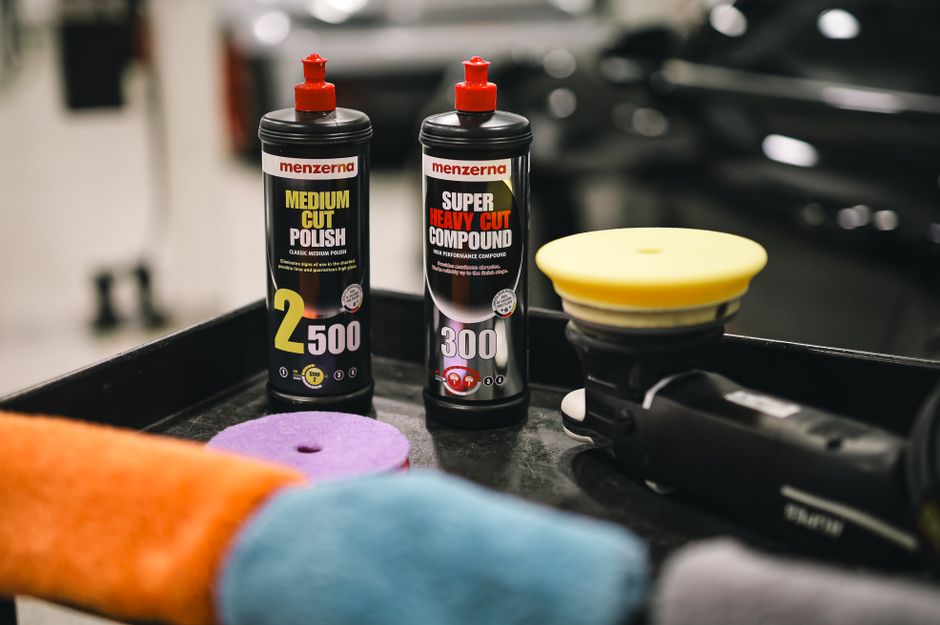
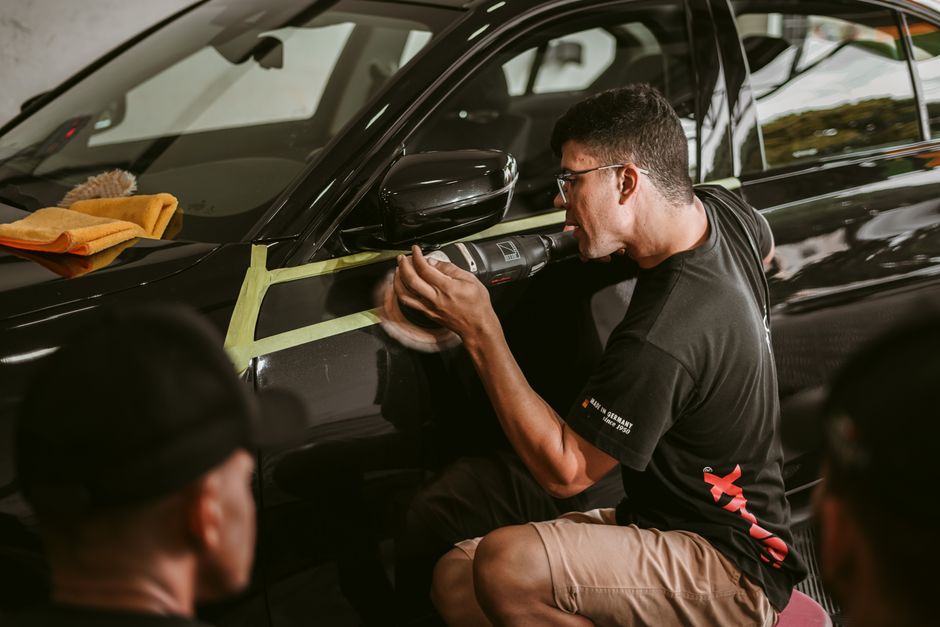
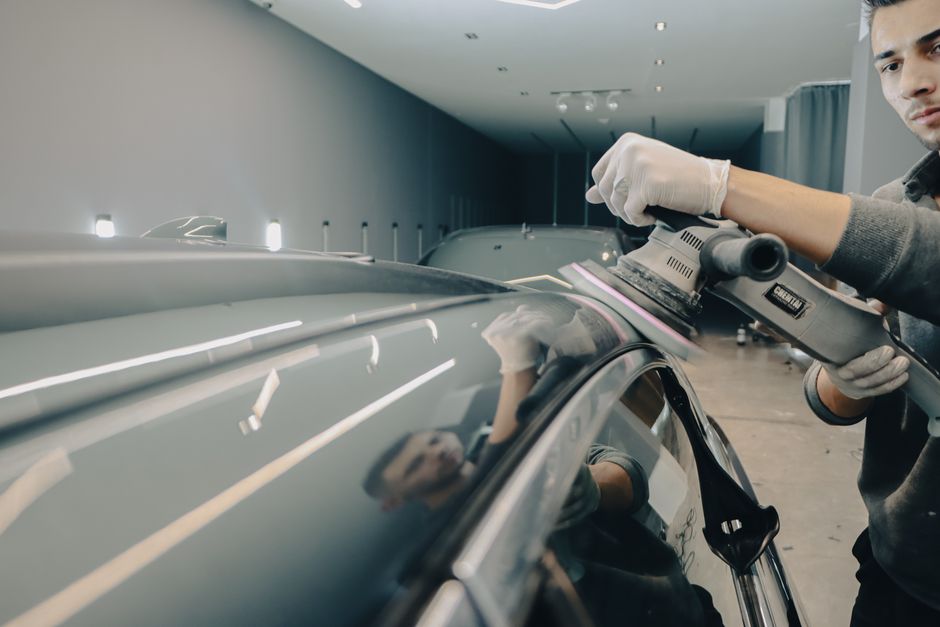
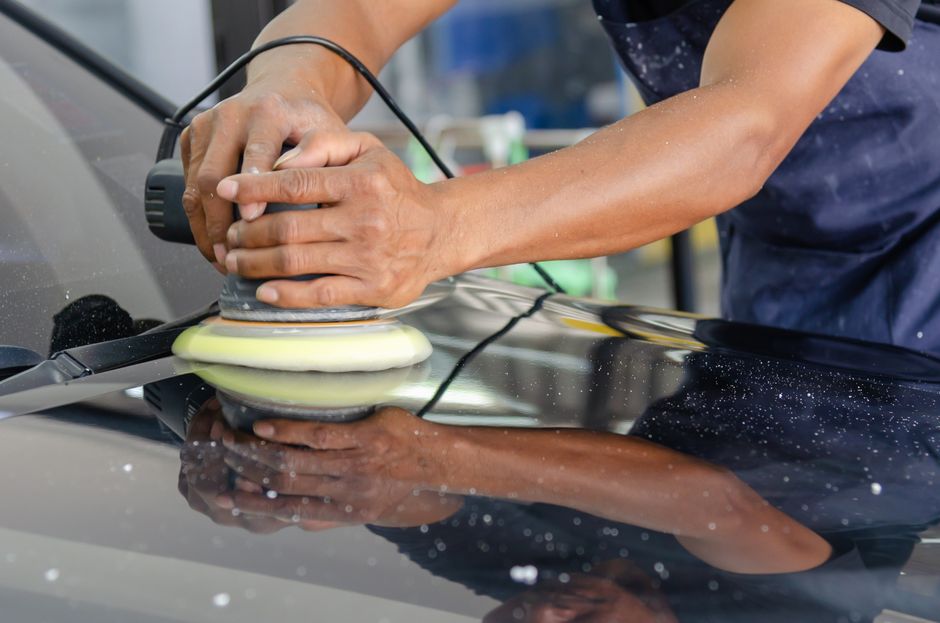
The application process requires careful preparation, including washing, decontaminating, and sometimes polishing the paint to remove imperfections. Any existing scratches or swirl marks will be locked in under the coating if not corrected beforehand. Professional detailers like those at ShineWorks often use a multi-stage process to ensure the surface is pristine before applying the coating. The coating is then applied in a controlled environment to avoid dust or moisture contamination during curing.
Once cured, the ceramic layer provides a hydrophobic surface that repels water and helps prevent contaminants from adhering. This hydrophobic effect is one of the most noticeable benefits, as water beads up and rolls off, taking dirt and grime with it. However, it’s important to note that ceramic coatings are not indestructible; they can be damaged by improper washing techniques or abrasive materials. Regular maintenance washes with pH-neutral products are recommended to preserve the coating’s properties.
Protection Against UV Rays and Environmental Contaminants
One of the primary reasons car owners opt for ceramic coating is its ability to shield the paint from ultraviolet (UV) radiation. Prolonged exposure to the sun can cause paint to fade, oxidize, and lose its gloss. Ceramic coatings act as a sacrificial layer that absorbs or reflects UV rays, thereby reducing the amount of damage that reaches the paint underneath. This is particularly beneficial in regions with intense sunlight, such as the southern United States.
In addition to UV protection, ceramic coatings offer resistance against a variety of environmental contaminants. Bird droppings, tree sap, insect remains, and industrial fallout can all etch or stain unprotected paint. The hydrophobic nature of ceramic coatings makes it harder for these substances to bond to the surface, giving the owner more time to remove them before damage occurs. However, it’s crucial to address such contaminants promptly, as even coated surfaces can be affected if acidic substances are left for extended periods.
Furthermore, ceramic coatings can help prevent oxidation, a chemical reaction that occurs when oxygen interacts with the paint, leading to a dull, chalky appearance. By creating a barrier, the coating slows down this process, helping the paint retain its original color and shine for longer. While no coating can completely stop environmental damage, ceramic coatings provide a significant layer of defense that can extend the life of a vehicle’s finish.
Enhanced Scratch Resistance and Durability
Ceramic coatings are known for their ability to resist minor scratches and swirl marks that can occur during washing or from light contact. The hardness of the cured coating, often measured on the Mohs scale, is higher than that of traditional waxes, providing a level of protection against superficial abrasions. This doesn’t mean the paint is scratch-proof; deeper scratches from keys or shopping carts can still penetrate the coating and reach the paint.
The durability of ceramic coatings varies depending on the product and the number of layers applied. Some consumer-grade coatings may last a year or two, while professional-grade coatings can last five years or more with proper maintenance. ShineWorks, for instance, offers a range of coating options tailored to different needs and budgets. The longevity also depends on factors such as climate, driving conditions, and how well the vehicle is cared for.
It’s important to set realistic expectations: ceramic coatings are not a substitute for paint protection film (PPF), which offers superior impact resistance. Instead, they complement each other. Some owners choose to apply PPF on high-impact areas and then ceramic coat over it for added hydrophobic properties. Understanding these distinctions helps in choosing the right protection strategy.
Ease of Cleaning and Maintenance
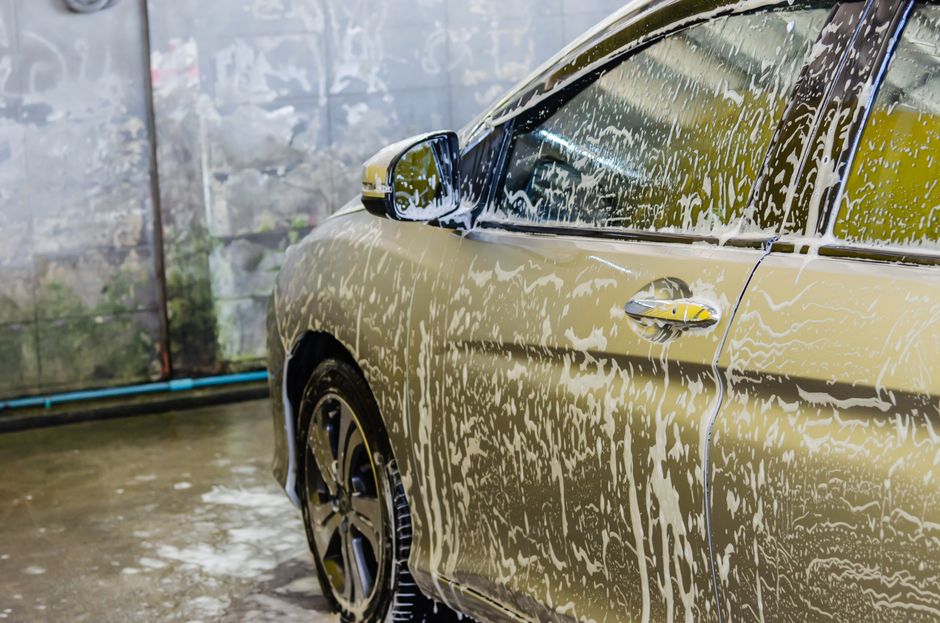
One of the most appreciated benefits of ceramic coating is the ease with which a coated car can be cleaned. The hydrophobic surface repels water, so dirt and road grime have a harder time sticking. When washing, the contaminants tend to slide off more easily, reducing the need for aggressive scrubbing. This not only saves time but also minimizes the risk of introducing scratches during the washing process.
For routine maintenance, a simple hand wash with a pH-neutral shampoo and a soft microfiber mitt is usually sufficient. Automatic car washes with harsh brushes should be avoided, as they can degrade the coating over time. Drying is also quicker because water beads up and can be removed with a blower or a plush towel. Some owners use a ceramic-infused detail spray as a drying aid to boost the coating’s slickness and extend its life.
Additionally, ceramic coatings make it easier to remove stubborn substances like bird droppings or bug splatter. Because these contaminants don’t bond as strongly to the surface, they can often be wiped away with a damp cloth. This is particularly useful for people who park outdoors or drive in areas with a lot of insects. However, it’s still advisable to remove such contaminants promptly to avoid any potential etching.
Professional Application and Long-Term Care
While there are DIY ceramic coating kits available, achieving optimal results often requires professional application. The preparation stage is critical: any imperfections in the paint will be sealed under the coating. Professionals have the tools and expertise to properly decontaminate, polish, and apply the coating in a controlled environment. ShineWorks and similar detailing studios follow strict protocols to ensure a flawless finish.
After application, the coating needs time to cure, typically 24 to 48 hours, during which the vehicle should be kept dry and away from contaminants. Once cured, regular maintenance is key to maximizing the coating’s lifespan. This includes washing the car every two to four weeks, using proper techniques, and avoiding abrasive products. Periodic inspections by a professional can also help identify any areas that may need attention.
It’s also important to note that ceramic coatings are not a permanent solution. They will eventually wear off and need to be reapplied. The duration depends on the quality of the coating, environmental exposure, and maintenance practices. Some coatings come with warranties, but these often require adherence to specific care guidelines. Therefore, car owners should consider ceramic coating as part of an ongoing car care routine rather than a one-time investment.
Key Considerations Before Choosing Ceramic Coating
Before deciding on ceramic coating, car owners should weigh several factors. First, the cost: professional application can range from several hundred to over a thousand dollars, depending on the vehicle size and coating quality. This is significantly more than a traditional wax job. However, the longevity and benefits may justify the expense for those who value long-term protection and ease of maintenance.
Second, consider the condition of the paint. If the car has existing scratches, oxidation, or other defects, these should be corrected before coating. Otherwise, the coating will lock in those imperfections. A professional detailer can assess the paint and recommend necessary steps, such as polishing or compounding. This adds to the initial cost but is essential for optimal results.
Third, think about your lifestyle and expectations. If you park outdoors, drive on unpaved roads, or rarely wash your car, ceramic coating can still help, but it won’t make the car maintenance-free. It’s also not a replacement for careful driving and parking to avoid physical damage. Setting realistic expectations will ensure satisfaction with the outcome.
Finally, research the products and installers. Not all ceramic coatings are created equal; some are more durable or have better hydrophobic properties than others. Look for reputable brands and certified installers who stand behind their work. ShineWorks, for example, provides detailed information about the coatings they use and offers guidance on maintenance to help customers get the most out of their investment.